Table of Content
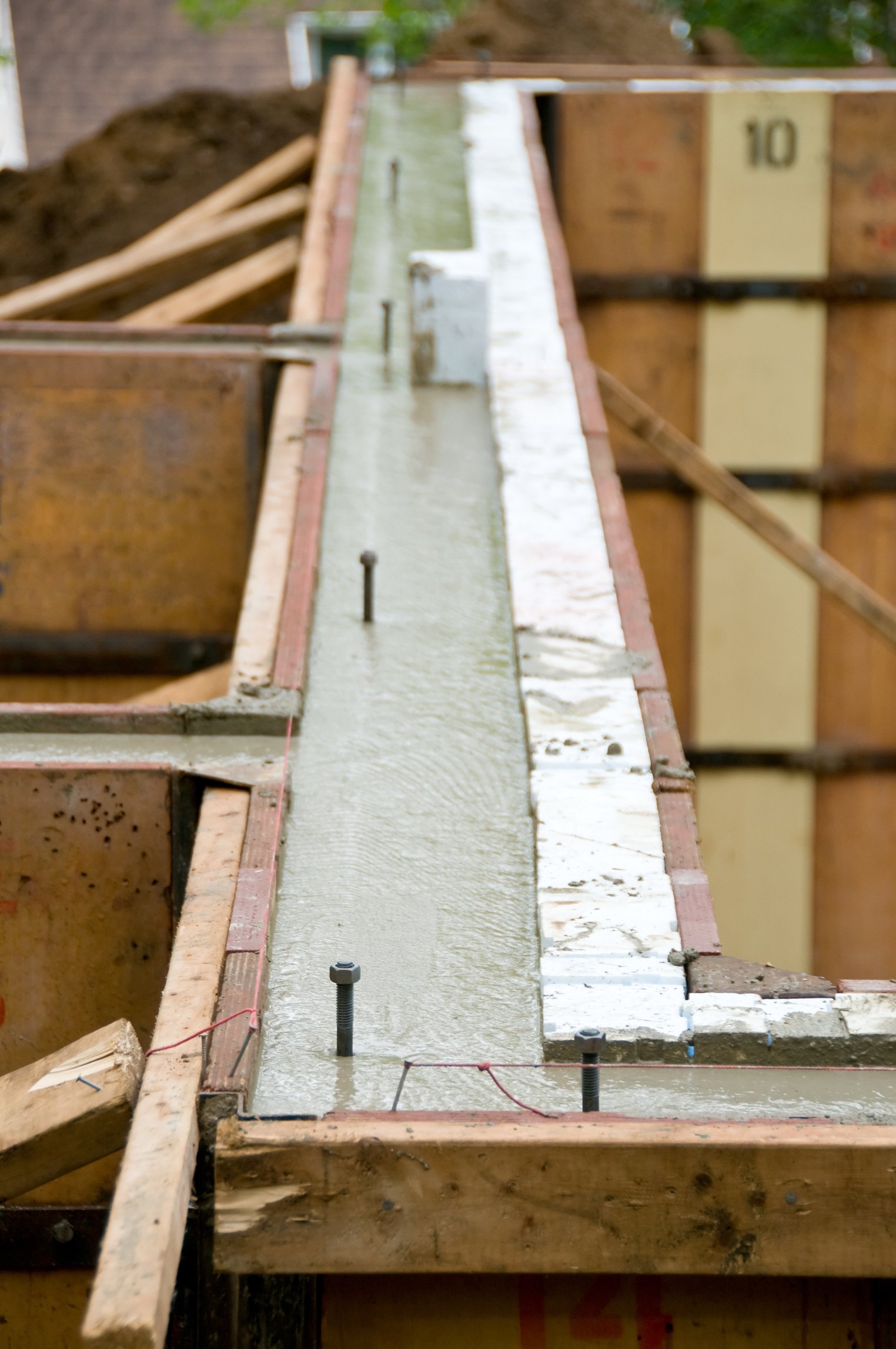
These foundations aren’t as popular as other options because the thin and long concrete runners can crack, bend, and move more easily than slab foundations. A crawl space is the preferred foundation for most Double-wides. This is an excavated area under a home with either blocks or a poured concrete perimeter wall extending down to a footer poured at the frost depth for the region . The crawl space will usually extend about 8 – 10 inches above the ground. The home is then rolled over the crawl space on a large beam and roller system, and lowered down and bolted to the foundation around the perimeter.
A well built foundation can prevent moisture build up, flex in the home, and sagging. There’s only 3 real ways to get some kind of help and none are very good. You do need to get better support under there and the home re-leveled to stop the damage from getting any worse. It will cost but it won’t cost as much now as it will in 5 more years. The double wide we just bought has a problem with the heating system. I don’t think it could be done simply because in Ohio your frost line is 32″ and there would be no way to dig under the home unless you did it by hand.
HUD Regulation for Manufactured Home Installation and Setup
This kind of protection provides excellent protection against winds, floods, frost, and moving soil. Here you must meet all the requirements related to all gravity, lateral, and occupancy loads. Let's consider the lateral loads, such as seismic or wind activities. In this case, the vertical anchorage is of utmost importance.

While a pit foundation is also dug out into the soil, it is usually not large enough to form a living space like a basement. The crawl space formed with this foundation is useful for utilities and storage. Expect to pay between $2,500 to $8,000 for a mobile home foundation. The cost will vary depending on the type of foundation you’re looking to build and the size of your mobile home. Building a foundation can be costly, depending on the type of foundation you choose to add to your existing mobile home. Mobile homes are a popular type of homes for anyone looking to live simple and affordable.
Annual Checks Using a Water Level
It has the upper hand over slab foundations in cold areas though, because there isn’t a huge slab to freeze the soil underneath it. There is also less chance of a moving foundation affecting your plumbing. Richard S Imus went to high school in Lake Arrowhead, CA then finishing in Sandpoint, Idaho.

Anything to do with leveling are homeowner issues regardless of location. The park may have helped you install your home and plumbing as a courtesy at move in but that would be as far as it goes. You will need to have your home installed professionally. If your lot is too wet to start because it is holding water or moisture it needs to be graded better so that the water runs away from the home’s footprint. If it’s graded properly it wouldn’t have a chance to sit there and create such an installation issue.
Before putting your mobile home on a permanent foundation
In case of a badly installed foundation like with beam foundations, the foundation may move individually, resulting in a non-leveled mobile home. Given that the project may take time and can be a hassle to complete, many may wonder why you should build a foundation under an existing mobile home? After all, if the mobile home has been doing well thus far without one, perhaps it could still be bearable moving forward.
If a homeowner understands the installation process and is able to ask the right questions they can ensure it is done correctly. Mobile home skirting is the material that acts as a barrier between the outside world and the underneath of your mobile home. Many mobile homes sit 36 inches off the ground or more; mobile home skirting covers this open space for more than just aesthetic reasons.
Some extra support in the shape of metal rods can be installed. Do bear in mind that this does not include paying for permits from your local authorities or the contractors and other labor required to complete the project. If you’re keen to proceed with building a foundation under an existing mobile home, here are some things you’ll have to prepare beforehand.
This single wide is installed over a basement foundation. There is a variable to the single floating slab foundation where two strips of concrete are used instead of one large slab. As mentioned previously, a permanent foundation will be more costly for your manufactured home. However, the increased value and ability to apply for real estate loans makes this cost appear minuscule in comparison to the benefits you receive. The Federal Housing Administration controls all requirements and guidelines for manufactured homes.
Worthy Inspection Services offer a range of inspection services including manufactured home foundation inspections in association with Foundation Certifications. We also provide standard home inspections for manufactured homes. The Federal Housing Administration maintains guidelines and certification standards for permanently affixing mobile or manufactured homes to foundations of all types. The FHA Manufactured Home Engineer Foundation Certification is the relevant document needed when permanently affixing a mobile home to a foundation. Before extending a mortgage loan or refinancing a permanently affixed mobile home, most lenders will demand its FHA-approved engineer's certification. Also, many counties and municipalities charge permit fees for work performed when permanently affixing mobile or manufactured homes to foundations.
For example, a single-wide mobile home needs a smaller slab than a double or triple-wide home. A slab is the simplest type of foundation for building and installing a mobile home. Once the foundation is set, it provides the perfect working space to add the support columns and home.
But generally, slab foundations are stable and last as long as your mobile home. The gravel layer evens out ground imperfections, adds drainage, and cushions the concrete slab from the effect of ground movement. The mobile home park may have regulations covering the quality of slab foundation, and you need to consider the HUD code.
Often, basement foundations are installed with daylight and/or walkout walls, which are framed with windows and doors. Once the structure has been lifted, the material used for the foundation can be brought in. Mobile home owners may choose between a pier foundation, a concrete slab foundation, or to have an added basement as a foundation. Some mobile homes may also feature crawl spaces, especially if there is an existing site-built foundation. Post and beam support ten feet of the ground is just asking for trouble.
Manufactured Homes Foundation Requirements
Basement foundations can create a reliable foundation for your modular home as well as add additional living space. These foundations tend to be the most specific, as they need to match the measurements of your home precisely. Additionally, basement foundations often have building codes that they must meet depending on the city you build them in.


No comments:
Post a Comment