Table Of Content
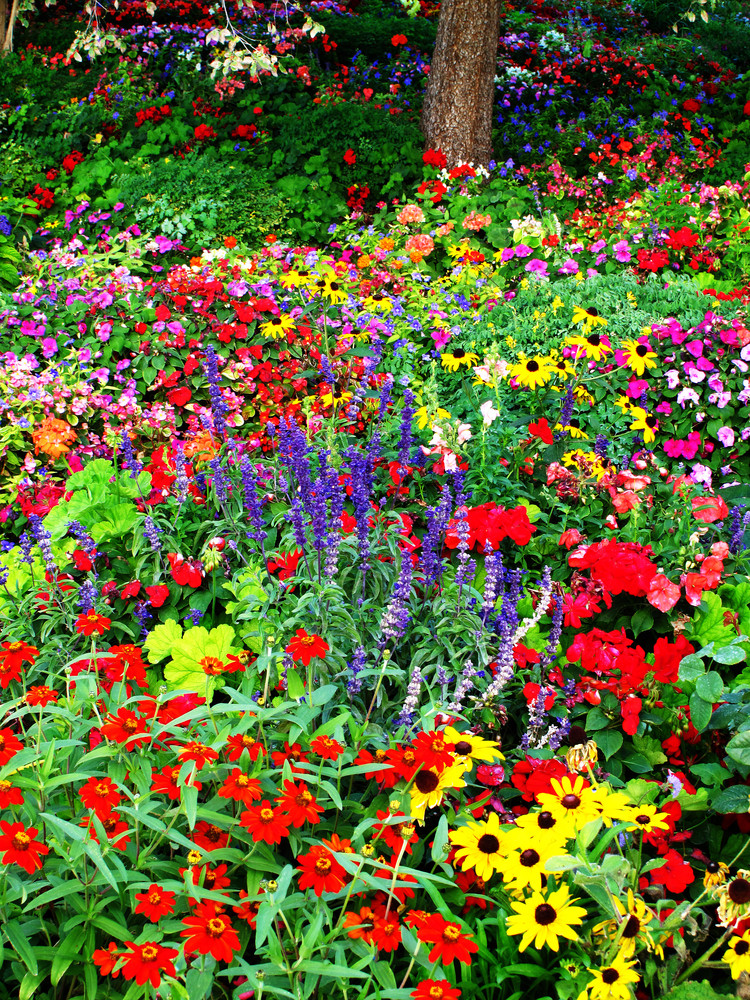
In this comprehensive guide, we’ll explore the enchanting world of front yard wildflower gardens and provide you with practical tips to create and maintain your own low-maintenance oasis. When choosing plants for your cottage garden, opt for native species that will thrive in your climate. Some excellent options include coneflowers, black-eyed Susans, and milkweed.
Shopper’s Diary: Peonies in Paris, for Flowers and Coffee
By creating a low maintenance wildflower garden, you can reduce the use of pesticides and fertilizers, contributing to a healthier environment. By incorporating native plants into your landscaping, you’ll be supporting local ecosystems and helping to preserve the natural beauty of North Carolina. A front yard wildflower garden is a beautiful way to create a sustainable landscape that provides habitat for butterflies, bees, and other wildlife. When selecting wildflowers for your front yard, it is best to choose native species. Native plants are adapted to the local climate and soil conditions, making them more likely to thrive.
Select Your Wildflowers
To find out the best wildflowers to attract bees, we asked Sarah Hancocks of garden wildlife experts Vivara UK to pick her favorites. Pick a selection of wildflowers with different heights for the best results. If you're looking for low growing wildflowers, choose yellow Birdsfoot trefoil, purple wild thyme, red clover and blue harebells. If you want to add height, go for purple wild marjoram and spiked speedwell, blue field scabious and red campion. Choosing a location for your wildflower garden that is accessible to a garden hose for easy watering will come in handy while both preparing the area and maintaining the garden.
Remove Weeds
This will help you determine which plants will thrive in each area and where to place them in your garden. Wildflower gardens are considered a low-cost alternative to high-maintenance gardens that also benefit pollinators. Wildflower species are hardy and self-reproducing, and many even prefer poor soil and neglect, making them ideal for tough-to-maintain areas. Although they will grow wild on their own, they are not necessarily native plants. Wildflowers are not appropriate for every garden space, but they're definitely worth a try if you have some space, plenty of sun, and a laid-back approach to growing flowers. This Palo Alto, CA front yard was designed be a point of interest for anyone passing by.
21 Colorful Rock Garden Plants That Thrive in Poor Soil - Better Homes & Gardens
21 Colorful Rock Garden Plants That Thrive in Poor Soil.
Posted: Wed, 13 Dec 2023 08:00:00 GMT [source]
Follow this blog to stay up to date with what you need to keep your lawn in tip-top shape year-round. Get easy-to-understand, actionable yard tips that will give you the greenest grass on the block. An integral central paved terrace of sawn sandstone reached via a mown path provides a sunny retreat and entertainment space right in the heart of the meadow. By this point you've probably guessed that we're big fans of this look, so here's our expert advice on how to do it. Ensure the health and longevity of your vibrant wildflower oasis by regularly monitoring for invasive species.
Low Maintenance Requirements
“I like to create outdoor spaces using art that’s usually housed inside,” says Lauri. Here, textile artist Tina Simko Marrie’s Wall Hanging is displayed in a covered patio, and one of her hand-loomed blankets is tossed over a butterfly chair. Working with landscape designer Darren Shirai and landscape architect Jeremy Taylor, Lam organized unthirsty groundcovers into bands that cross the yard like giant stripes on a rug. All told, the bands feature six kinds of succulents, three kinds of shrubs, and one kind of grass.
Having a wildflower garden in your front yard can bring beauty and biodiversity to your outdoor space. To ensure the health and vibrancy of your wildflowers, it’s important to maintain and care for your garden properly. In this section, we will explore effective strategies for weed control, deadheading and pruning, as well as fertilization and pest management.
Here is my guide to turning your front yard into a wildflower meadow as well as steps for turning an existing lawn into a meadow. I have come across several artful rain gardens and swales that use both river rock and plants to capture and filter water, or lead it away from the house. I had so much fun discovering what other savvy gardeners, and talented garden and landscape designers have been doing to transform front yard gardens. I was humbled by the creativity and I’m inspired to apply some of that vision to my own front yard.

Create pathways through the meadow for easy access and enjoyment.4. Maintain the meadow by regularly monitoring and managing weeds, watering as needed, and promoting pollinators. Remember, when mixing wildflowers with traditional plants, it’s important to consider their growing requirements.
If your area is too large to chop by hand, mow with your lawnmower's highest setting. Mowing ensures that seed heads drop, tidies up the appearance of the garden, and discourages the growth of any woody perennials that might take over. Create a transition zone between cultivated and wild areas with a blend of wildflowers and traditional garden plants.
Given that in nature, wildflowers will find a way to thrive almost anywhere, there’s a natural presumption that any old soil will do. When transplanting, move to an area getting less than three hours of sunlight daily. In much of the United States, a good six hours a day’s worth of sunlight is the ticket to a stunning wildflower garden, regardless of size. Don't forget you can also plant wildflower plugs or lay wildflower turf too.
This garden, filled with colorful shrubs and shrub-sized trees, requires very little pruning or care to thrive, other than keeping the plants in it well-watered during their first year. It's possible to create a beautiful garden in a challenging spot along a sun-drenched curb; you just need to use tough plants that can tolerate heat and drought well. This easy street-side garden plan relies on a mix of native perennials that do just that, plus they'll create an oasis of colorful blooms and foliage that will look good all summer long. Your front yard is the calling card for your home, giving everyone who passes by a glimpse into your style and personality. However, coming up with an aesthetically pleasing and easy-to-achieve front yard garden idea can be easier said than done—especially if you're a novice gardener.
Creating a meadow effect with wildflowers can transform your front yard into a charming and inviting space that supports local wildlife and pollinators. Before starting your wildflower garden, it’s important to assess the condition of your soil. Conducting a soil test will provide valuable information about its pH level, nutrient content, and overall health. You can easily obtain a soil testing kit from your local garden center or contact a professional soil testing service. One approach is to choose wildflowers that bloom in complementary colors. For example, pairing purple coneflowers with yellow coreopsis or orange poppies can create an eye-catching display.
By using native plants, you can create a beautiful space that supports the local ecosystem and attracts pollinators and wildlife. Moreover, a wildflower garden requires less maintenance and reduces the use of harmful chemicals, making it a sustainable and eco-friendly choice for your front yard landscape. Contrary to popular belief, front yard wildflower gardens can be surprisingly low maintenance. Unlike traditional manicured lawns that require frequent mowing and watering, wildflowers are resilient and self-sustaining once they are established. They have evolved to thrive in their natural environments, which means they can withstand various weather conditions and require little to no extra care.


No comments:
Post a Comment